
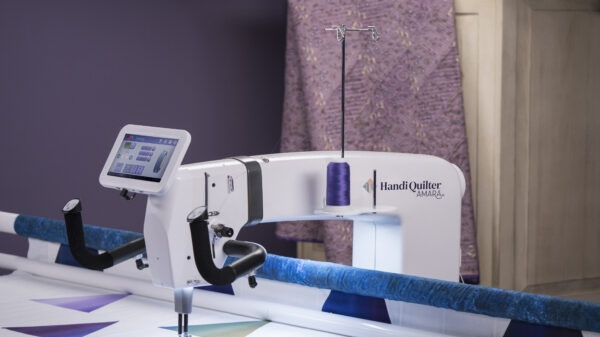
The start of a new year is the perfect time to explore new skills, refine your craft, and begin fresh creative projects. If you’re new to longarm quilting—or planning to upgrade your quilting setup—January is an ideal month to get started.
Longarm quilting machines make quilting faster, smoother, and more precise, but learning the basics early can make a world of difference. In this beginner-friendly guide, we’ll share 10 essential longarm quilting tips to help you build confidence, improve stitch quality, and enjoy your quilting journey from day one.
Whether you’re quilting for passion or planning a small business, these tips will set you up for success in 2026 and beyond.
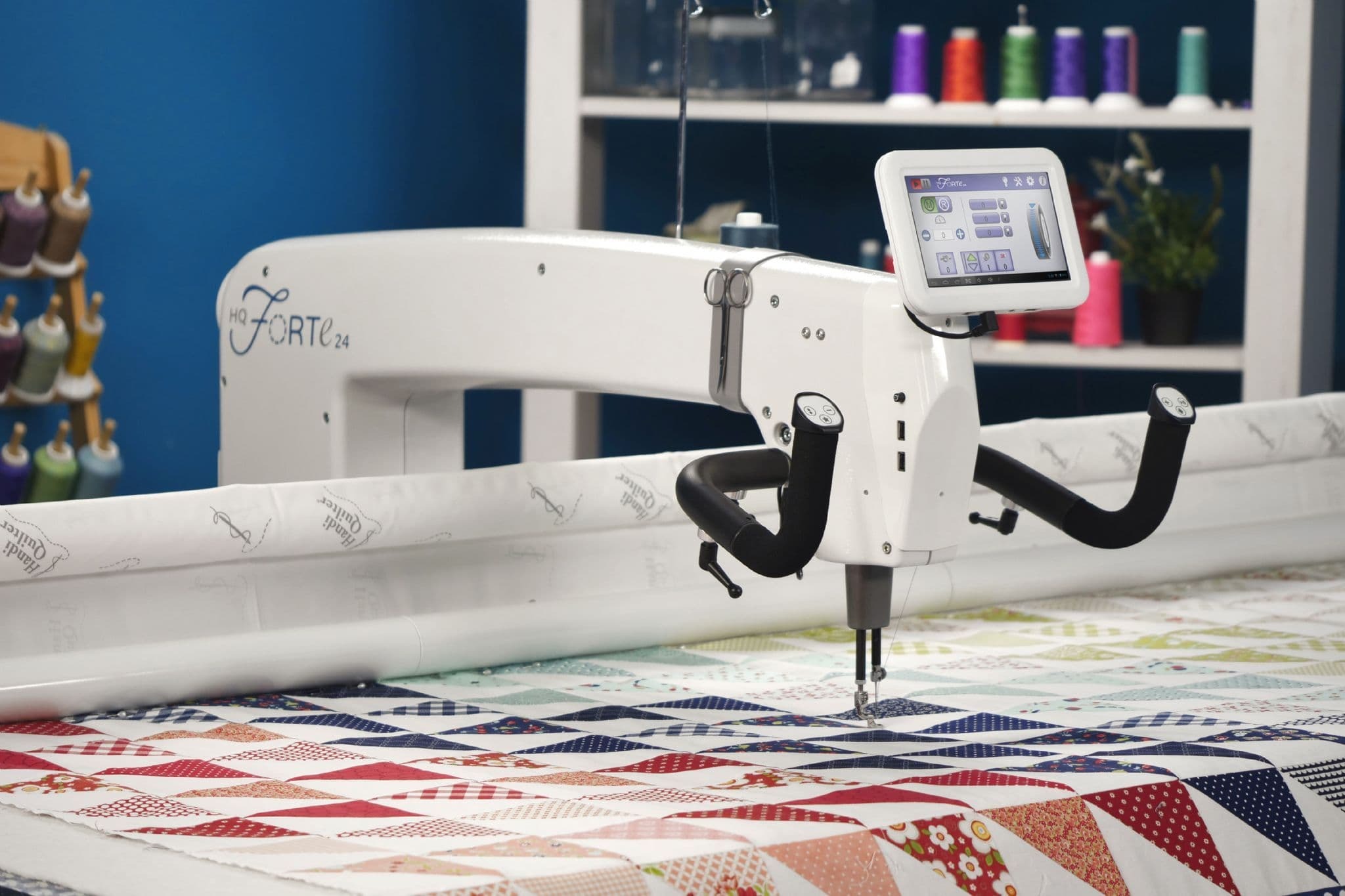
1. Understand Your Longarm Quilting Machine
Before stitching your first quilt, take time to understand how your longarm quilting machine works. Familiarise yourself with:
- Machine controls and handles
- Stitch regulation features
- Needle positioning and speed settings
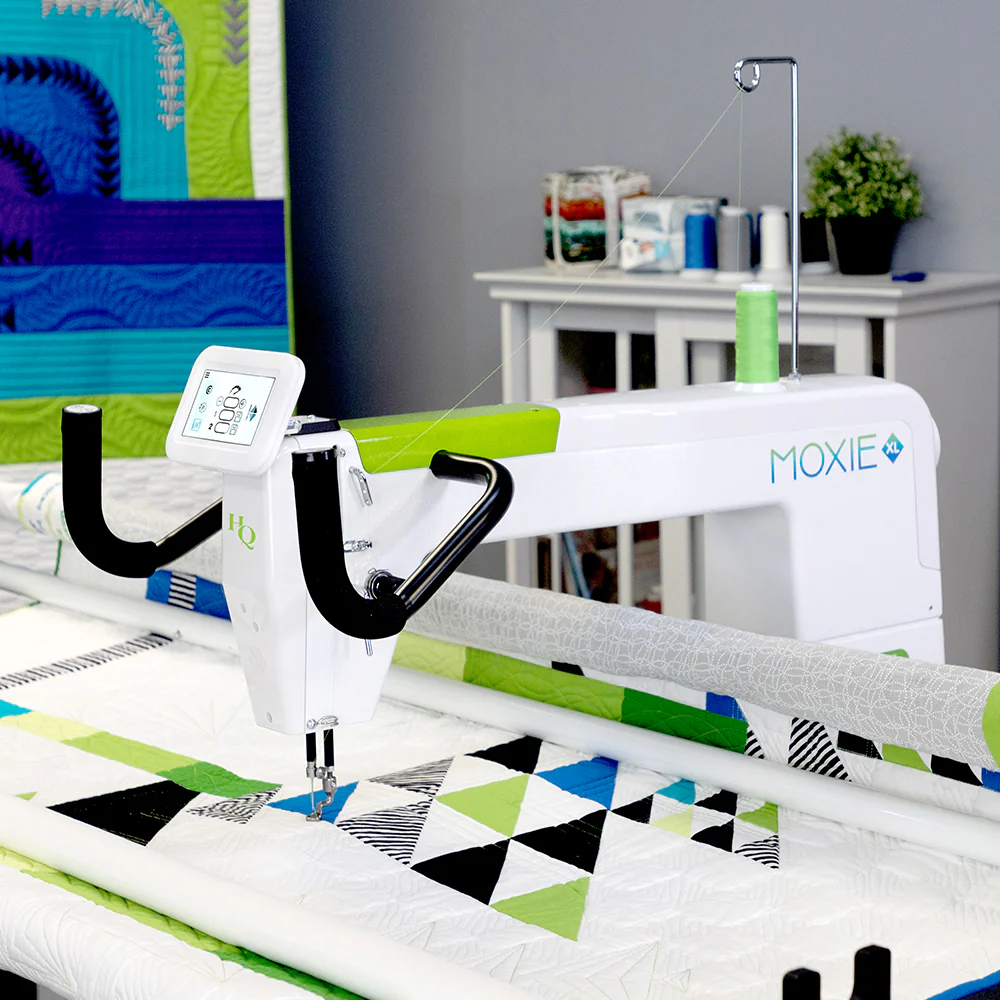
Handi Quilter machines are designed with user-friendly features, making them ideal for beginners transitioning from domestic machines. Knowing your machine’s capabilities will help you quilt with confidence and accuracy.
2. Set Up Your Quilting Space Properly
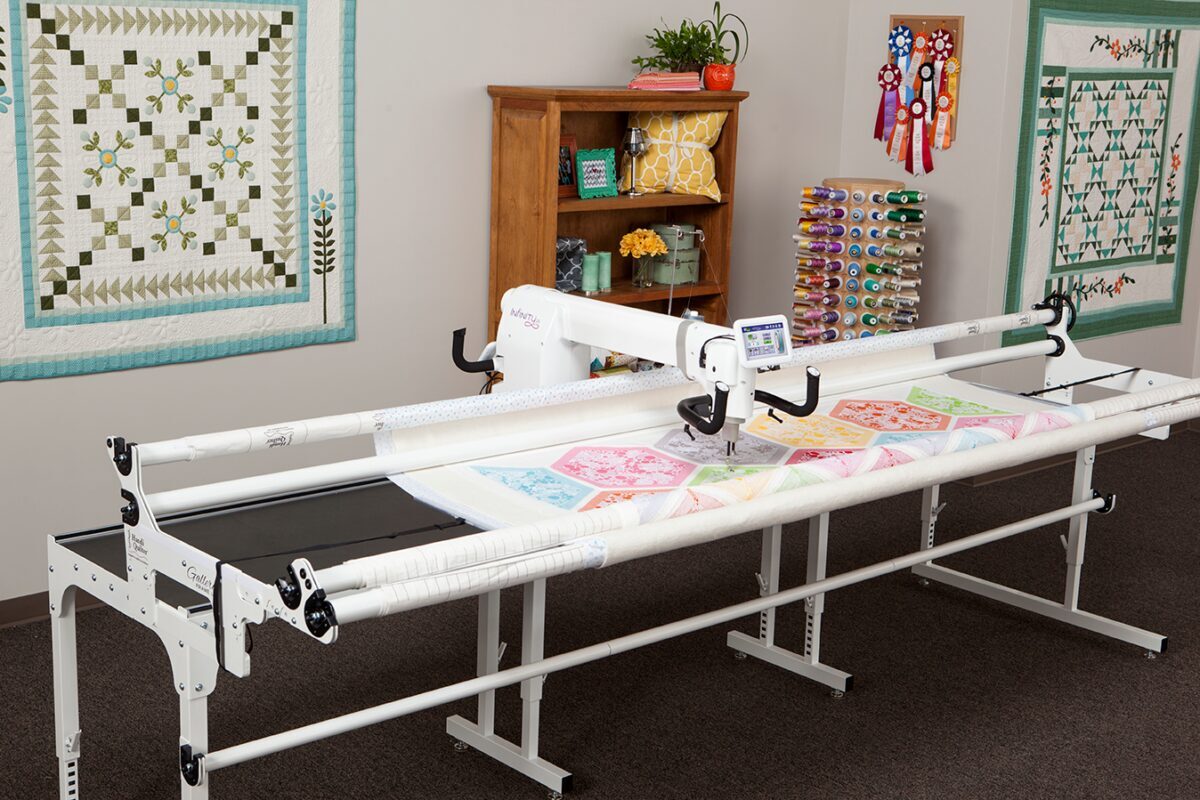
One of the most common beginner challenges is workspace setup. Longarm quilting requires enough room to move comfortably around the frame.
Tips for an efficient quilting space:
- Allow space at the front, back, and sides of the frame
- Ensure proper lighting for stitch visibility
- Keep accessories and tools within easy reach
A well-organised studio improves productivity and reduces fatigue—especially important during longer quilting sessions.
3. Choose the Right Thread and Needle
Using the correct thread and needle combination can instantly improve stitch quality. Beginners should start with:
- High-quality polyester or cotton quilting thread
- Needles designed specifically for longarm quilting
Always match your needle size to your thread type to avoid skipped stitches or thread breakage.
4. Practice on Scrap Fabric First
Before quilting a customer quilt or a special project, practice on scrap fabric or muslin. This allows you to:
- Test tension settings
- Try new quilting patterns
- Get comfortable with machine movement
Regular practice helps develop muscle memory and smooth, consistent stitching.
5. Start with Simple Quilting Designs
As a beginner, it’s best to begin with simple longarm quilting patterns such as:
- Straight lines
- Loops
- Meandering or stippling
These designs build confidence and help you learn machine control without overwhelming complexity. Over time, you can explore rulers, templates, and automated quilting options.
6. Focus on Stitch Regulation
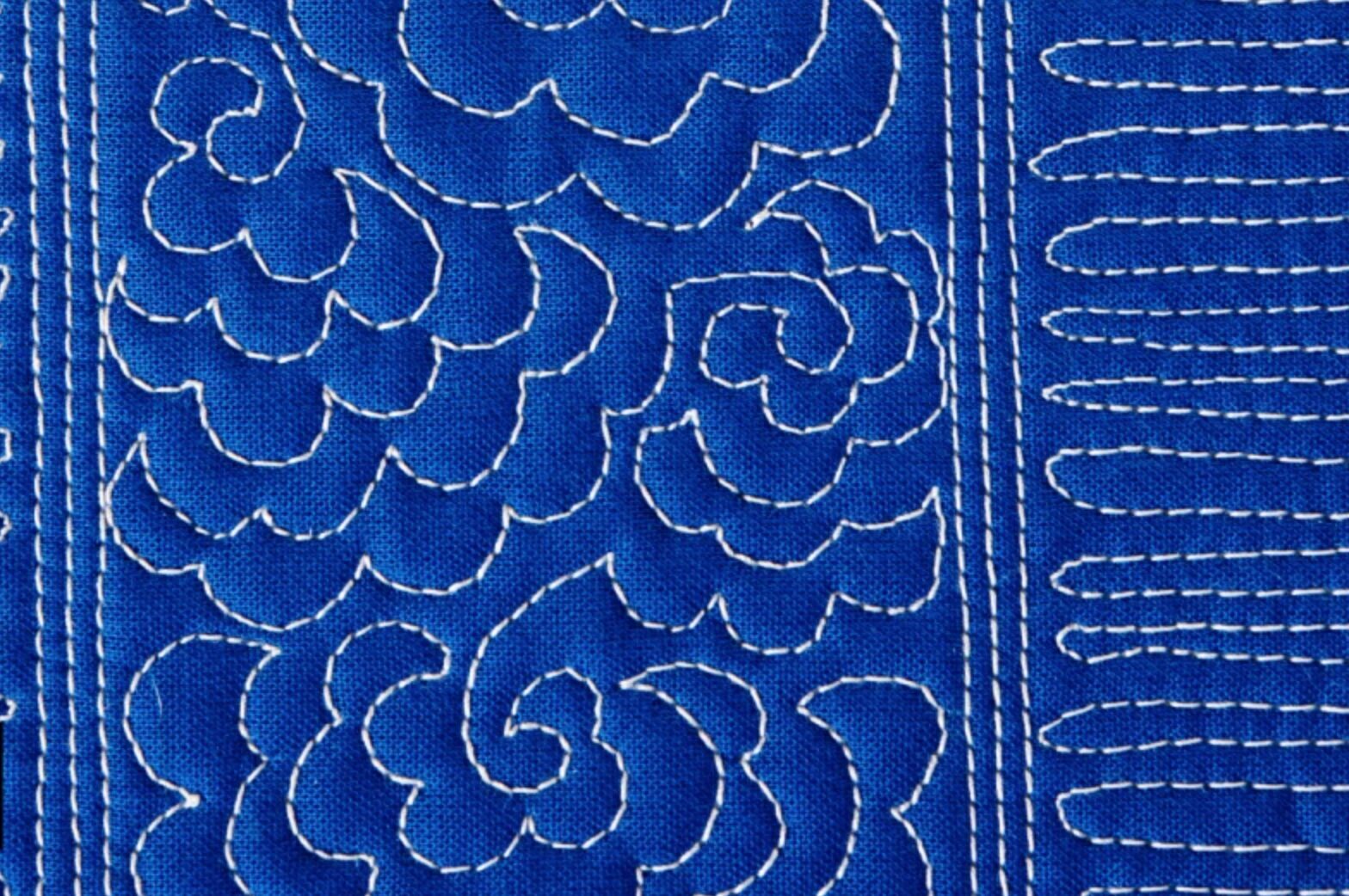
Stitch regulation is one of the biggest advantages of modern longarm quilting machines. Make sure it’s set correctly to maintain even stitch length regardless of your movement speed.
Consistent stitches not only improve the look of your quilt but also give beginners peace of mind while learning.
7. Maintain Proper Quilt Loading
Correct quilt loading ensures smooth fabric movement and prevents puckering. When loading your quilt:
- Keep layers square and evenly tensioned
- Avoid over-tightening the fabric
- Check alignment before stitching
Proper loading leads to better results and less frustration.
8. Learn Basic Machine Maintenance
Regular maintenance keeps your longarm quilting machine running smoothly. Beginners should develop simple habits like:
- Cleaning lint from the bobbin area
- Oiling as recommended by the manufacturer
- Checking needle condition regularly
Routine care improves performance and extends machine life.
9. Take Advantage of Quilting Accessories
Quilting accessories can make learning easier and more enjoyable. Consider starting with:
- Cleaning lint from the bobbin area
- Rulers and ruler bases
- Ergonomic handles
- Quilting clamps and bungees
These tools improve control, accuracy, and comfort—especially for beginners.
10. Keep Learning and Stay Inspired
Longarm quilting is a skill that grows with practice and education. Stay inspired by:
- Following quilting blogs and tutorials
- Experimenting with new designs
- Setting achievable quilting goals for the year
January is the perfect time to plan projects, learn new techniques, and embrace creativity in your quilting journey.
Start Your 2026 Quilting Journey with Confidence
Longarm quilting opens the door to endless creative possibilities. With the right setup, tools, and techniques, beginners can quickly build skills and produce beautiful quilts they’re proud of.
By starting your year with Handi Quilter Australia, you’ll enjoy smoother stitching, better results, and more confidence throughout 2026.