
TIf you’ve ever looked at your SINGER® sewing machine and wondered why it came with so many small metal attachments, you’re not alone. One of the most common questions beginners ask is which sewing machine foot should you use for a specific project. Understanding sewing machine feet is one of the fastest ways to improve your results, reduce frustration, and build confidence as you learn to sew.
This guide will walk you through sewing machine feet explained for beginners, using practical examples and clear instruction so you can make better choices for every project.
Why Sewing Machine Feet Matter More Than Beginners Realise
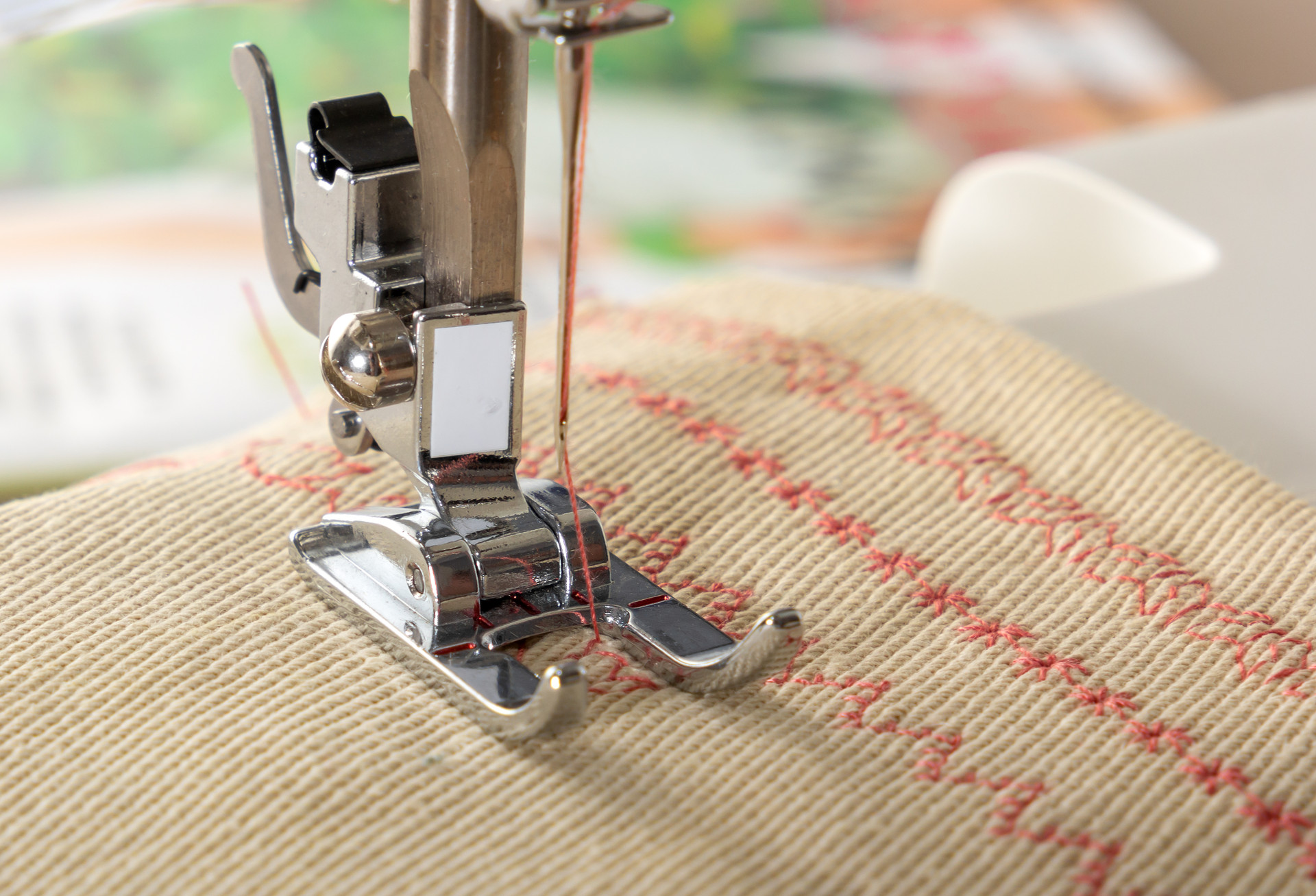
A sewing machine foot, also known as a presser foot, controls how fabric moves under the needle. While the needle forms the stitch, the presser foot keeps the fabric stable, aligned, and feeding evenly. Using the wrong foot can cause puckering, uneven seams, skipped stitches, or fabric slipping out of place.
Modern SINGER® sewing machine presser feet are designed to solve very specific problems. From lightweight summer fabrics to zippers, hems, or thicker layers, the correct foot improves stitch quality and reduces mistakes. For beginners, this often means the difference between finishing a project and abandoning it halfway through.
Understanding Sewing Foot Types for SINGER® Machines
When beginners search for sewing machine feet explained for beginners, they are often overwhelmed by the number of options available. While industrial machines use highly specialised attachments, most home sewers using SINGER® sewing machines can complete a wide range of projects with just a few essential sewing foot types.
This is the foot that comes attached to most SINGER® sewing machines and is designed for everyday sewing. It works best for straight stitching and basic zigzag stitches on stable fabrics such as cotton, linen, and light blends. Beginners will use this foot for most early projects, including seams, hems, and simple construction work.
The zipper presser foot allows the needle to stitch close to raised edges without pushing the fabric aside. This makes it essential for inserting zippers, sewing along piping, or working near bulky seams. When beginners struggle with uneven zipper lines, switching to the correct zipper presser foot often solves the problem immediately.
Designed for lightweight and delicate fabrics, the rolled hem presser foot folds the fabric edge as it stitches, creating a narrow and even hem. This foot is ideal for summer garments, scarves, and lightweight home décor projects where a standard hem would look bulky or uneven.
A buttonhole foot helps guide fabric evenly while the machine stitches a consistent buttonhole. Many SINGER® sewing machines include automatic or one-step buttonhole functions, and this foot ensures accurate sizing and clean results. For beginners, it removes the guesswork from one of sewing’s most intimidating tasks.
This foot is designed to finish raw fabric edges and prevent fraying. It guides the fabric so the stitch wraps neatly around the edge, mimicking the look of an overlocker. Beginners sewing garments or home décor items often find this foot especially useful when working with woven fabrics.
How to Choose a Sewing Machine Foot for Your Project
Understanding how to choose a sewing machine foot begins with identifying the fabric type and the purpose of your stitch. Every project asks something different of your machine, and the presser foot plays a central role in how well the fabric behaves.
Fabric weight should always guide your decision. Lightweight fabrics often shift or curl, making specialised feet like rolled hem or edge-stitching feet far more effective. Thicker fabrics and layered projects require stronger presser feet that provide consistent pressure and even feeding.
Common Mistakes Beginners Make with Sewing Machine Feet
One of the most frequent beginner mistakes is using the standard foot for every project. While versatile, it is not designed for all tasks. Zippers sewn with the wrong foot often result in uneven seams, while hems sewn without the correct presser foot can appear bulky or inconsistent.
Another common issue is incorrect installation. Presser feet must be properly attached and compatible with your SINGER® sewing machine. Beginners should always check that the foot is secure before sewing and test stitches on scrap fabric.
Tension and stitch length are also frequently overlooked. Changing presser feet may require small adjustments to settings, particularly when working with different fabrics or thicknesses.
FAQ: Sewing Machine Feet for Beginners
Which sewing machine foot should beginners use first?
Beginners should start with the standard presser foot that comes with their SINGER® sewing machine. It is designed for straight stitching and general sewing, making it ideal for learning basic construction skills.
How do I know which sewing machine foot to use?
To know which sewing machine foot to use, consider both the fabric and the task. Zippers require a zipper presser foot, narrow hems work best with a rolled hem foot, and thicker fabrics may need specialised presser feet for stability.
Are SINGER® sewing machine feet interchangeable?
Many SINGER® sewing machine presser feet are interchangeable within compatible models, but it is important to check your specific machine type before purchasing accessories.
Do beginners really need extra presser feet?
While not essential, additional presser feet make sewing easier and more accurate. Basic SINGER® sewing machine accessories help beginners avoid common mistakes and improve results from the start.
Final Thoughts
Learning which sewing machine foot should you use is a foundational skill for every beginner. With the right understanding and the right SINGER® sewing machine presser feet, sewing becomes smoother, more enjoyable, and far more professional-looking.
Choosing the correct presser foot is about matching the tool to the task. With quality SINGER® sewing machine accessories, beginners can confidently take on new projects, refine their skills, and enjoy a creative journey that lasts a lifetime.Explore presser feet today.