
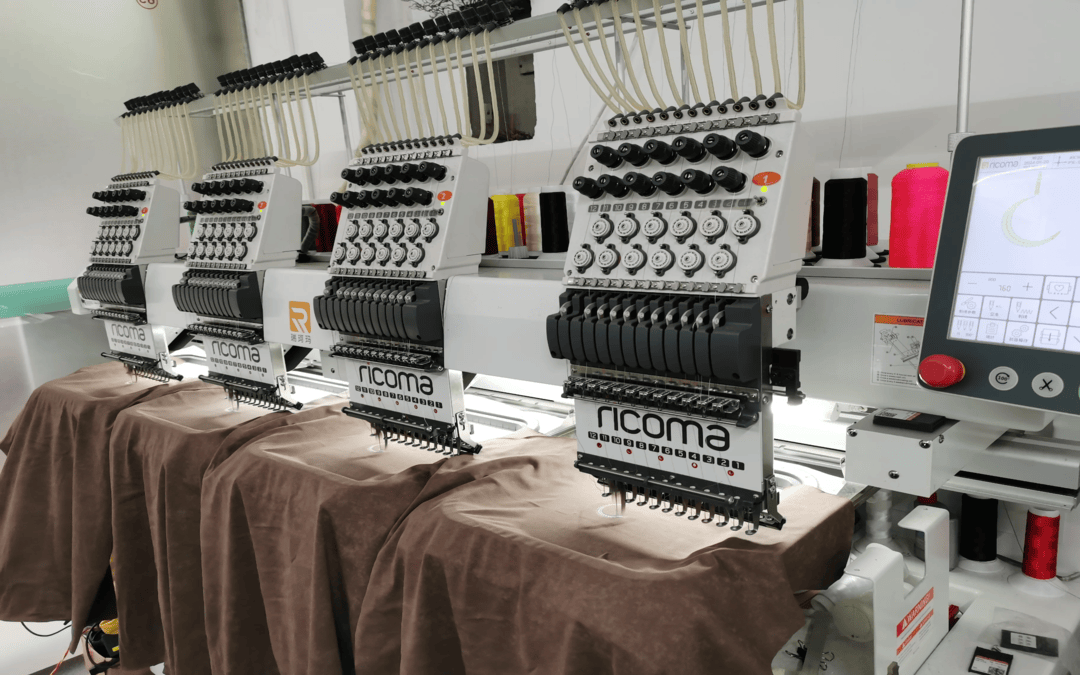
Master Winter Embroidery with Precision and Confidence
Winter embroidery projects bring unique opportunities—and challenges. From thick fabrics to layered garments like hoodies, jackets, and beanies, achieving clean, professional stitching requires the right techniques and tools.
Whether you're running an embroidery business or creating custom winter apparel, understanding how to handle heavier materials is essential for flawless results. With the right approach and the power of Ricoma embroidery machines, you can produce high-quality designs that stand out in the winter market.
Understand the Challenges of Winter Fabrics
Winter garments are typically made from thicker, textured materials such as fleece, wool blends, denim, and heavy cotton. These fabrics can affect stitch quality if not handled properly.
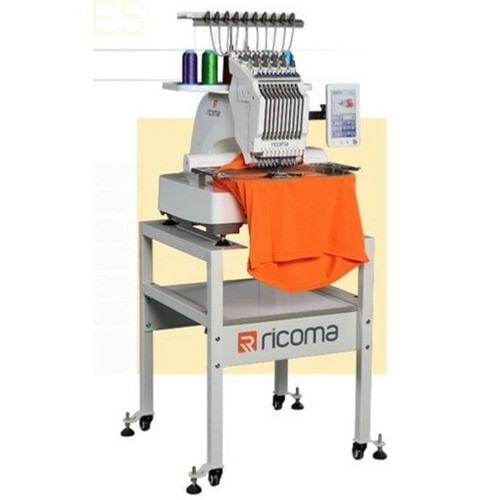
Common issues include:
- Uneven stitching on thick garments
- Thread breakage during embroidery
- Design distortion on stretchy fabrics
To overcome these, it’s important to adjust your embroidery setup and technique accordingly.
Choose the Right Stabiliser for Heavy Fabrics
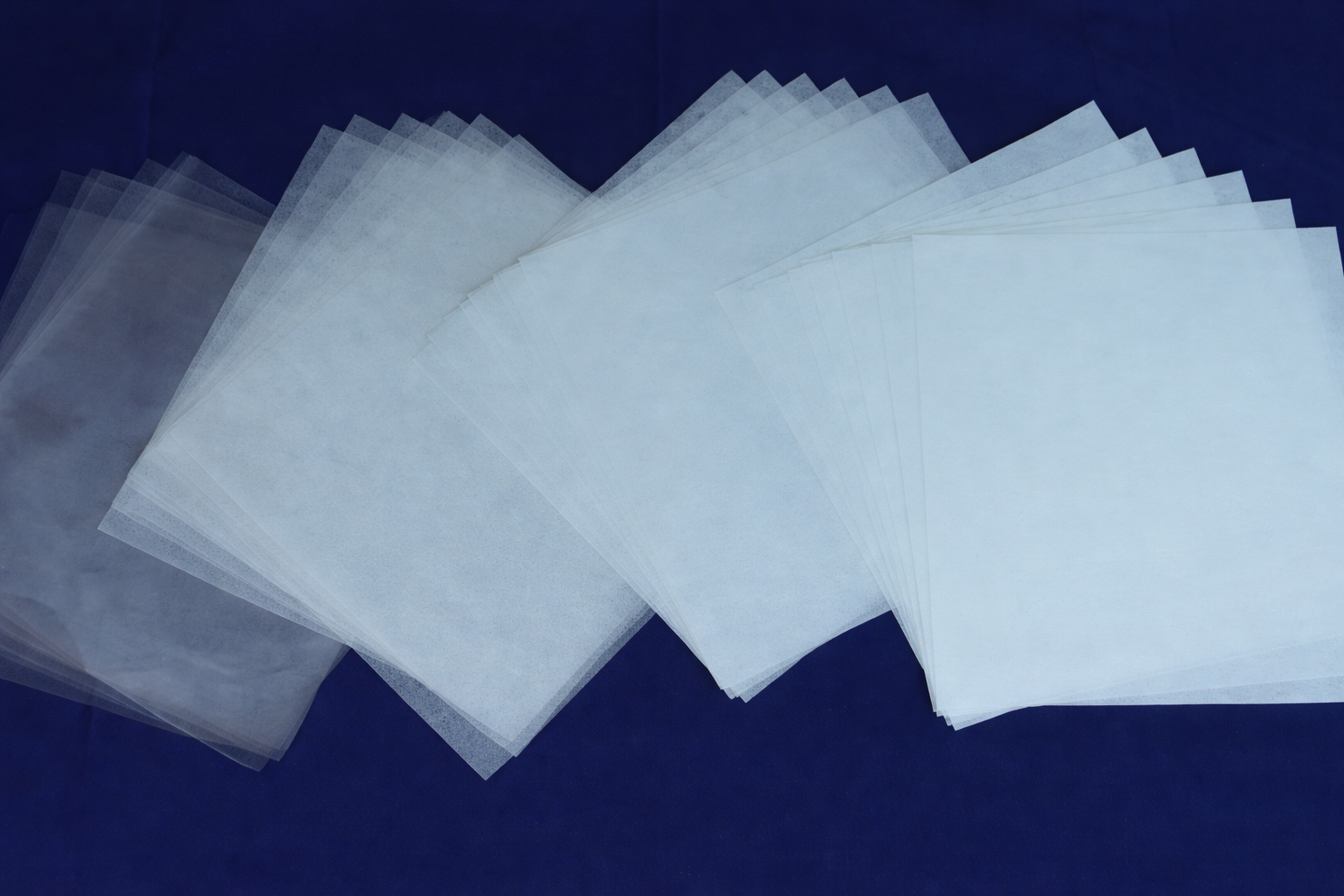
One of the most important factors in machine embroidery on winter garments is stabilisation. Using the correct stabiliser ensures your design remains sharp and prevents puckering.
- Cut-away stabiliser: Ideal for stretchy fabrics like sweatshirts and hoodies
- Tear-away stabiliser: Suitable for stable fabrics like denim
- Water-soluble topping: Helps with textured materials like fleece
Select the Correct Needles and Threads
Using the right needle and thread combination can significantly improve stitch quality.
- Choose larger needles (75/11 or 90/14) for thicker materials
- Use high-quality polyester embroidery thread for durability
- Consider ballpoint needles for knit fabrics
This helps reduce thread breaks and ensures smooth stitching on winter apparel.
Adjust Machine Settings for Better Results
When working with winter garments, fine-tuning your embroidery machine settings is crucial.
- Lower stitching speed for thick fabrics
- Adjust thread tension to avoid looping or puckering
- Test your design on a sample fabric before final stitching
Modern machines from Ricoma are designed to handle these adjustments efficiently, making them ideal for winter embroidery projects in Australia.
Use Proper Hooping Techniques
Incorrect hooping is one of the most common causes of poor embroidery results.
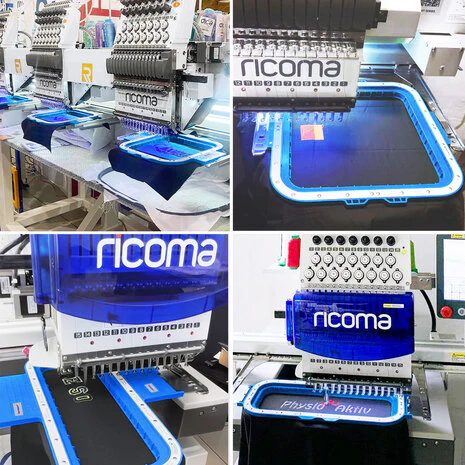
- Ensure fabric is tight but not overstretched
- Use magnetic hoops for bulky garments
- Avoid hoop burn by using protective layers
Proper hooping ensures accurate design placement and consistent stitching.
Optimise Designs for Winter Garments
Not all designs work well on thick fabrics. Choosing the right embroidery design is essential for clean results.
- Avoid overly dense designs
- Use bold, simple patterns for better visibility
- Increase stitch spacing for thick materials
Optimising your design helps achieve clean embroidery on winter clothing.
Leverage Ricoma Machines for Professional Results
Using advanced equipment can make a significant difference in your workflow and final output.
Ricoma embroidery machines are built to handle heavy-duty fabrics, offering:
- Consistent stitching quality
- Adjustable speed and tension controls
- Large embroidery areas for winter garments
These features make them a reliable choice for both beginners and professionals looking to scale their embroidery business in Australia.
CTA: Explore Ricoma embroidery machines at ricoma.com.au and take your winter embroidery projects to the next level.
Test Before Final Production
Before starting bulk production, always run a test stitch. This allows you to:
- Identify tension or alignment issues
- Adjust stabilisers and settings
- Ensure design accuracy
Testing helps maintain high-quality embroidery output and reduces costly mistakes.
Final Thoughts: Stitch Smart This Winter
Achieving perfect stitching on winter garments is all about preparation, technique, and using the right tools. From selecting proper stabilisers to optimising machine settings, every step plays a role in delivering professional results.
With consistent practice and the right equipment, you can confidently take on any winter embroidery project—whether for personal creativity or business growth.