
Embroidery quality depends on several factors, but thread tension is one of the most important settings that affects stitch appearance, durability, and overall design quality.
Many embroidery beginners struggle with loops, thread breaks, uneven stitching, or puckering, which are often caused by incorrect tension settings. Understanding how thread tension works can help you produce clean, professional embroidery results on every project.
In this guide, we explain what embroidery thread tension is, how it affects stitch quality, and how to adjust it properly when using professional embroidery machines available through Ricoma Australia.
What Is Embroidery Thread Tension?
Thread tension refers to the balance between the top thread and bobbin thread while the embroidery machine forms stitches.
Proper tension ensures that:
- Stitches are smooth and even
- The bobbin thread stays hidden underneath
- Designs appear clean and professional
- Fabrics remain flat without puckering
When tension is incorrect, embroidery results can include:
- Loose loops on the surface
- Visible bobbin thread on top
- Thread breaks
- Uneven stitches
Correct tension balance is essential for achieving high-quality embroidery resultson garments,accessories, and home décor products.
Signs Your Embroidery Machine Tension Needs Adjustment
Recognising the signs of poor thread tension can help you quickly troubleshoot embroidery issues.
Common Tension Problems
- Bobbin Thread Showing on Top
If the bobbin thread becomes visible on the surface, the upper thread tension may be too tight. - Top Thread Loops on Fabric Surface
This usually means the upper thread tension is too loose. - Frequent Thread Breaks
Overly tight tension can cause thread snapping, especially when stitching dense embroidery designs. - Fabric Puckering Around the Design
Incorrect tension combined with poor stabilisation can cause the fabric to wrinkle during stitching.
Understanding these signs allows embroidery operators to quickly correct tension settings and prevent design errors.
How to Adjust Embroidery Thread Tension
Most embroidery machines allow users to adjust tension through top tension knobs or digital settings.
Basic Tension Adjustment Steps
- Bobbin Thread Showing on Top
If the bobbin thread becomes visible on the surface, the upper thread tension may be too tight. - Start with the manufacturer’s recommended tension settings.
- Stitch a test design on scrap fabric.
- Check both the front and back of the embroidery sample.
- Adjust the top tension gradually until stitches appear balanced.
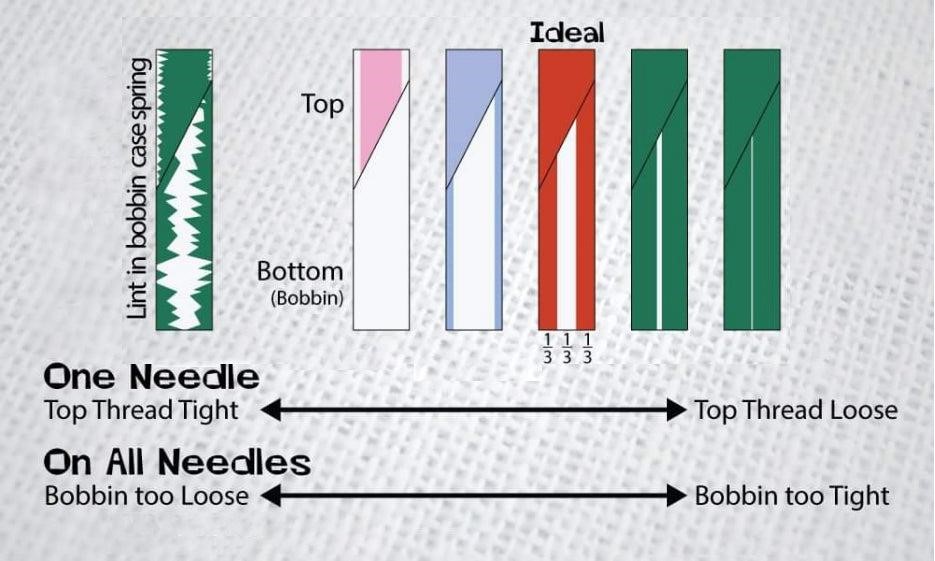
A properly balanced stitch typically shows:
- Mostly top thread on the surface
- A small amount of bobbin thread visible underneath
- Smooth and consistent stitch formation
Testing tension before starting a large embroidery project can save both time and materials.
Factors That Affect Embroidery Thread Tension
Thread tension is influenced by multiple elements in the embroidery process.
Thread Type
Different threads, such as polyester, rayon, or metallic, may require slight tension adjustments.
Fabric Type
Stretch fabrics, thick materials, and delicate textiles behave differently during embroidery.
Stabiliser Choice
Using the correct stabiliser helps support the fabric and improves stitch formation.
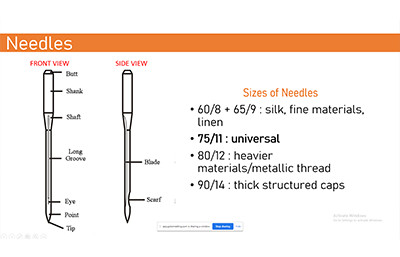
Needle Size
Incorrect needle size can affect thread movement and cause tension issues.
When all these factors are balanced correctly, embroidery designs appear crisp, durable, and professional.
Why Proper Thread Tension Matters for Embroidery Businesses
For embroidery businesses and custom apparel creators, stitch quality directly impacts customer satisfaction and product value.
Correct thread tension helps businesses:
- Produce clean professional embroidery
- Reduce thread breaks and machine downtime
- Deliver consistent product quality
- Improve production efficiency
Whether producing custom apparel, branded merchandise, personalised gifts, or promotional products, maintaining correct thread tension is key to achieving reliable embroidery results.
Final Thoughts
Thread tension is one of the most important fundamentals in machine embroidery. By understanding how tension works and learning how to identify common problems, creators can significantly improve the quality of their embroidery projects.
With professional embroidery equipment and proper machine setup, embroidery businesses can consistently produce high-quality custom products that stand out in today’s competitive market.
Ricoma Australia offers embroidery machines designed to deliver precision stitching, reliable performance, and professional embroidery results for creators and businesses alike.